How to Choose Jig Saw Blades for Wood, Metal, Plastic and Laminate
October. 09, 2026
Choosing the right jig saw blade is mainly about matching the blade to the workpiece material, thickness, cutting speed, and finish requirement. A fast wood blade will not give the same result on thin sheet metal, and a fine metal blade can cut slowly or overheat in soft wood.
For importers, distributors, and tool brands, a clear jig saw blade range is easier to sell when it is organized by material, TPI, shank type, and application. Users should be able to choose the correct blade quickly from the blade marking and retail package.
This guide explains how to choose jig saw blades for wood, metal, plastic, and laminate, with practical selection charts for TPI, tooth design, blade material, and assortment planning.
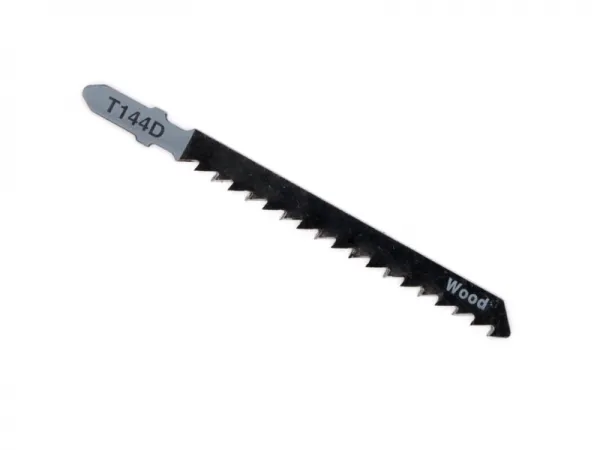
Quick Jig Saw Blade Selection Chart
| Material | Recommended Blade | Typical TPI | Cut Result |
|---|---|---|---|
| Soft wood | HCS blade with larger gullets | 6-10 TPI | Fast cutting and good chip removal |
| Hardwood or plywood | Fine wood blade or clean-cut blade | 10-20 TPI | Cleaner edge with less splintering |
| Metal sheet or pipe | HSS or bi-metal blade | 18-32 TPI | Controlled cutting with fewer broken teeth |
| Plastic and PVC | Medium or fine tooth blade | 10-18 TPI | Less cracking, melting, and edge damage |
| Laminate or coated board | Fine tooth or reverse tooth blade | 14-24 TPI | Reduced chipping on the visible surface |
1. Choose by Workpiece Material
The first decision is the material being cut. Wood, metal, plastic, and laminate need different tooth geometry and blade materials. Using the wrong blade may cause burning, rough edges, slow cutting, or broken teeth.
Jig saw blades for wood
For soft wood, plywood, chipboard, and general carpentry, choose a high carbon steel blade with lower TPI and larger gullets. The larger tooth spacing clears sawdust faster and helps maintain cutting speed.
For cleaner cuts in hardwood, plywood, or visible panels, use a higher TPI wood blade. If the top surface must stay clean, a reverse tooth jig saw blade can help reduce splintering.
Jig saw blades for metal
Metal cutting requires a harder and finer tooth blade. High speed steel and bi-metal blades are common choices because they resist heat and tooth wear better than ordinary wood blades.
For thin sheet metal, use a high TPI blade so several teeth stay in contact with the workpiece. For thicker metal, choose a stronger bi-metal blade and cut at a controlled speed with proper clamping.
Jig saw blades for plastic
Plastic can crack, melt, or leave a rough edge if the blade is too aggressive or the cutting speed is too high. A medium or fine tooth blade usually gives better control. Let the blade cut steadily instead of forcing it through the material.
Jig saw blades for laminate
Laminate, coated board, and veneer panels need a fine tooth design. Reverse tooth blades are useful when the visible face is on top, because they can reduce top-surface chipping during the upstroke.
2. Understand TPI: Teeth per Inch
TPI means teeth per inch. Lower TPI blades cut faster and clear chips more easily, but they leave a rougher edge. Higher TPI blades cut more slowly but produce a smoother finish and are better for thin or brittle materials.
| TPI Range | Best Use | Main Advantage |
|---|---|---|
| 6-10 TPI | Fast wood cutting | Fast feed and strong chip removal |
| 10-14 TPI | General wood, plastic, and mixed use | Balanced speed and finish |
| 14-24 TPI | Clean wood, laminate, plastic, thin metal | Cleaner edge and less chipping |
| 24-32 TPI | Thin metal and fine cutting | More teeth in contact, better control |
3. Check Blade Material
Blade material affects flexibility, wear resistance, heat resistance, and price. For a retail or OEM assortment, it is useful to offer different levels for DIY, general trade, and professional users.
- HCS blades: flexible and economical, suitable for wood, plastic, and soft materials.
- HSS blades: harder and more heat resistant, suitable for metal and harder materials.
- Bi-metal blades: combine flexibility and tooth durability, suitable for professional and mixed-material use.
- Carbide grit or carbide tipped blades: used for abrasive materials, ceramics, fiberglass, or special applications where standard teeth wear quickly.
4. Consider Tooth Direction and Cut Finish
Most jig saw blades cut on the upstroke. This design is efficient for general work, but it can cause chipping on the top surface of laminate or coated board. Reverse tooth blades cut differently and can help protect the visible face.
For clean visible cuts, combine the right tooth direction with good support, correct speed, and stable workpiece clamping. For rough cutting, a standard fast-cut blade is usually more efficient.
5. Confirm Shank Compatibility
Most modern jig saws use T-shank blades, which are easy to install and widely accepted by current power tools. Some older machines may still use U-shank blades. If your target market includes older tools, confirm compatibility before finalizing the product range.
For wholesale programs, T-shank jig saw blades are usually the safer main assortment, while U-shank blades can be offered as a supplementary range when local demand requires it.
Common Mistakes When Choosing Jig Saw Blades
- Using a coarse wood blade on thin metal, which can break teeth quickly.
- Using a very fine metal blade for fast wood cutting, which slows the cut and may create heat.
- Ignoring blade thickness when a straight cut is required.
- Cutting laminate from the wrong side without considering tooth direction.
- Choosing only by price instead of matching blade material and tooth design to the application.
Assortment Tips for Importers and Tool Brands
A good jig saw blade program should be easy for end users to understand. Separate the range by material first, then by cutting speed, finish quality, and professional level.
- Offer separate wood, metal, and mixed-material blade sets.
- Use clear color coding or icons for wood, metal, plastic, and laminate.
- Print TPI, material, and shank type clearly on the blade and package.
- Add bi-metal blades for professional users who need longer life.
- Build mixed sets around common applications: wood cutting, metal cutting, laminate finishing, and general maintenance.
PTATOOLS supplies professional cutting accessories, including jig saw blades, reciprocating saw blades, diamond saw blades, and cut-off wheels for wholesale and private-label customers.
Jig Saw Blade FAQ
What jig saw blade should I use for wood?
For fast cutting in soft wood, use a lower TPI HCS blade. For cleaner cuts in plywood, hardwood, or panels, choose a higher TPI clean-cut blade.
What jig saw blade is best for metal?
For metal, use an HSS or bi-metal blade with fine teeth. Thin sheet metal generally needs higher TPI than thick metal.
Can one jig saw blade cut wood and metal?
Some bi-metal or multi-material blades can handle mixed work, but for best speed and finish, dedicated wood and metal blades are usually better.
How do I reduce chipping on laminate?
Use a fine tooth or reverse tooth blade, support the panel well, and cut at a controlled speed. Test cutting on scrap material is recommended before cutting the finished panel.
Choose the Right Jig Saw Blades for Your Market
The best jig saw blade depends on the workpiece material, TPI, tooth direction, blade material, body design, and shank compatibility. A clear product range helps users cut faster, improves cutting quality, and reduces confusion at the point of sale.
PTATOOLS provides jig saw blades and other power tool accessories for importers, distributors, tool brands, and OEM customers. We support bulk orders, customized assortments, packaging design, and private-label supply.
For more product planning ideas, you can also read our packaging guide for importers and OEM brands or explore related PTATOOLS technical articles.