Diamond Saw Blade Types: Turbo, Segmented and Continuous Rim Explained
October. 09, 2026
Diamond saw blades are selected by rim design first. Turbo, segmented and continuous rim blades may all use diamond abrasive technology, but they cut in different ways. The rim design affects cutting speed, edge finish, cooling, dust removal, and the type of material the blade should cut.
For importers, distributors, and tool brands, explaining the difference clearly makes the product range easier to sell. It also helps customers choose the right blade for tile, stone, brick, concrete, masonry, and renovation work.
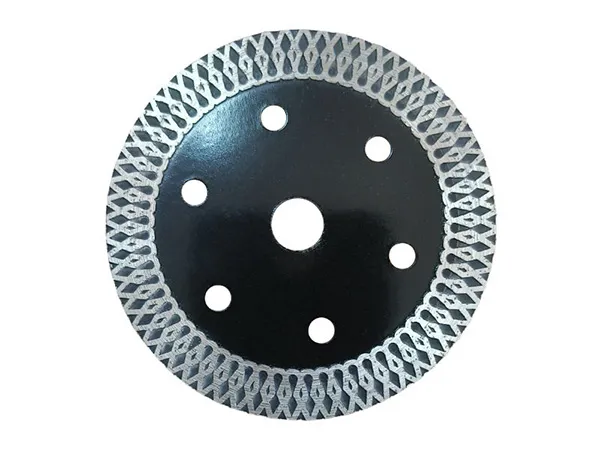
Quick Comparison: Turbo vs Segmented vs Continuous Rim
| Blade Type | Best Material | Main Advantage | Typical User |
|---|---|---|---|
| Turbo rim | Stone, brick, concrete, general masonry | Fast cut with a cleaner edge than segmented blades | Professional and mixed construction use |
| Segmented rim | Concrete, block, brick, pavers, tough masonry | Fast cutting, cooling gaps, and dust removal | Contractors and jobsite users |
| Continuous rim | Tile, ceramic, porcelain, decorative stone | Smooth edge with less chipping | Tile, renovation, and clean-finish work |
Turbo Diamond Saw Blades
Turbo diamond blades have a serrated continuous rim. This design gives a strong balance between speed and finish. A turbo rim usually cuts faster than a continuous rim blade and leaves a cleaner edge than many segmented blades.
Choose turbo blades for stone, brick, roof tile, concrete, and general masonry when users want one versatile blade for mixed materials. Turbo blades are often a good middle option in a retail or professional range.
Segmented Diamond Saw Blades
Segmented diamond blades have visible gaps around the rim. These segments help the blade cool and allow dust and debris to leave the cut. This makes segmented blades strong for concrete, block, brick, pavers, and other tough construction materials.
Choose segmented blades when speed and durability are more important than a very smooth edge. They are especially useful for outdoor construction, demolition, masonry, and contractor work.
Continuous Rim Diamond Saw Blades
Continuous rim diamond blades have an unbroken cutting edge. They normally cut more slowly than turbo or segmented blades, but they create a cleaner finish with less chipping.
Choose continuous rim blades for tile, ceramic, porcelain, marble, and decorative materials where edge quality matters. They are commonly used by tile installers, renovation users, and customers who need a clean visual finish.
Choose by Material
| Material | Recommended Blade | Reason |
|---|---|---|
| Concrete and block | Segmented blade | Fast cut, better cooling, and dust clearance |
| Brick and masonry | Turbo or segmented blade | Turbo balances speed and finish; segmented is faster for rough work |
| Tile and ceramic | Continuous rim blade | Smoother cutting edge and less chipping |
| Stone and roof tile | Turbo blade | Good balance of speed, control, and edge quality |
Wet Cutting vs Dry Cutting
Some diamond blades are designed for dry cutting, while others perform better with water cooling. Wet cutting can reduce dust, improve edge quality, and extend blade life, but the machine and jobsite must support water use.
Dry cutting is more convenient for many angle grinder and construction jobs, but users should cut in short passes and avoid overheating. Product labels should clearly show whether the blade is for dry cutting, wet cutting, or both.
Range Planning for Importers
Use segmented blades for concrete, block, and general construction demand.
Use turbo blades as a versatile middle option for speed and finish.
Use continuous rim blades for tile, ceramic, and clean-edge applications.
Separate entry-level and professional blades by diamond quality, core design, and packaging.
Show material icons, blade diameter, bore size, max RPM, and wet/dry use clearly.
Related Cutting Products
PTATOOLS supplies diamond saw blades for construction, tile, masonry, and professional cutting applications. You can also build a broader range with cut-off wheels, grinding wheels, and diamond core bits.
FAQ
Which diamond blade is best for concrete?
A segmented diamond blade is usually the best choice for concrete because the gaps help cooling and dust removal during tough cutting work.
Which blade gives the cleanest cut for tile?
A continuous rim diamond blade is usually best for tile, ceramic, and porcelain because it gives a smoother edge with less chipping.
What is a turbo diamond blade used for?
A turbo diamond blade is used for stone, brick, roof tile, concrete, and general masonry when users want a balance of cutting speed and edge quality.
Can one diamond blade cut every material?
One blade can cover several materials, but the best performance comes from matching the rim type to the material, machine, cutting method, and finish requirement.
Conclusion
Turbo, segmented, and continuous rim diamond blades solve different cutting problems. Turbo blades balance speed and finish, segmented blades cut tough construction materials quickly, and continuous rim blades deliver cleaner edges for tile and decorative surfaces.
A strong diamond saw blade program should match blade type to material, cutting speed, edge finish, wet or dry cutting method, and customer skill level.