Flap Disc Grit Chart: 40, 60, 80, 120 Grit Explained
October. 09, 2026
Choosing the right flap disc grit is important for grinding efficiency, surface finish, and tool life. If the grit is too coarse, it may remove too much material and leave deep scratches. If the grit is too fine, it may work too slowly and reduce productivity.
For metal fabrication, welding, surface preparation, and finishing work, common flap disc grit sizes include 40 grit, 60 grit, 80 grit, and 120 grit. Each grit has a different purpose depending on the material, surface condition, and desired finish.
This guide explains how flap disc grit sizes work and how to choose the right grit for your application.
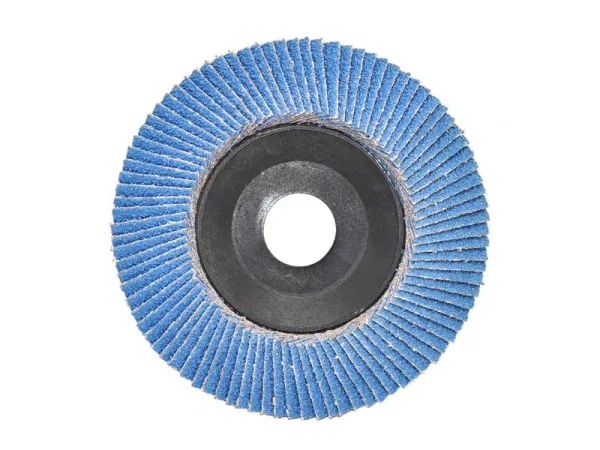
What Is Flap Disc Grit?
Flap disc grit refers to the abrasive particle size on the disc. The grit number indicates how coarse or fine the abrasive is.
A lower grit number means a coarser abrasive. It removes material faster but leaves a rougher surface.
A higher grit number means a finer abrasive. It removes less material but produces a smoother finish.
For example, a 40 grit flap disc is used for aggressive grinding and weld removal, while a 120 grit flap disc is better for fine finishing and surface preparation before polishing or coating.
Flap Disc Grit Chart
| Grit Size | Abrasive Level | Main Use | Surface Result |
|---|---|---|---|
| 40 grit | Coarse | Heavy grinding, weld removal, rust removal | Rough finish, fast stock removal |
| 60 grit | Medium-coarse | Deburring, edge shaping, general grinding | Moderate scratches, balanced removal |
| 80 grit | Medium-fine | Blending, cleaning, light finishing | Smoother surface |
| 120 grit | Fine | Final finishing, surface preparation | Fine finish, minimal scratches |
40 Grit Flap Disc: Heavy Grinding and Fast Stock Removal
A 40 grit flap disc is a coarse abrasive disc used when fast material removal is needed. It is commonly used for heavy-duty grinding, weld bead removal, edge beveling, and removing rust or scale from metal surfaces.
Choose 40 grit when:
You need aggressive grinding performance.
The surface has heavy welds, rust, or scale.
Speed is more important than surface smoothness.
You are preparing rough metal before further finishing.
However, 40 grit can leave visible scratches. If the workpiece needs a smoother finish, follow with 60 grit or 80 grit after the first grinding stage.
60 Grit Flap Disc: General Grinding and Deburring
A 60 grit flap disc offers a balance between material removal and surface control. It is less aggressive than 40 grit but still removes material efficiently.
Choose 60 grit when:
You need general-purpose grinding.
You want to remove burrs after cutting.
You are shaping metal edges.
You need better surface control than 40 grit.
For many fabrication shops, 60 grit is one of the most practical choices because it can handle grinding, deburring, and surface cleaning without being too rough.
80 Grit Flap Disc: Blending and Surface Smoothing
An 80 grit flap disc is commonly used for blending and smoothing surfaces after heavier grinding. It removes light marks and helps prepare the metal surface for painting, coating, or further finishing.
Choose 80 grit when:
You need to blend weld areas.
You want a cleaner surface after grinding.
You are preparing metal for coating.
You need light stock removal with a smoother finish.
For stainless steel, aluminum, and mild steel, 80 grit is often used when the appearance of the surface matters.
120 Grit Flap Disc: Fine Finishing
A 120 grit flap disc is a fine abrasive disc used for finishing work. It removes very little material compared with 40 or 60 grit, but it produces a cleaner and smoother surface.
Choose 120 grit when:
You need fine surface finishing.
You are preparing a surface before polishing.
You want to reduce visible scratches.
You are working on stainless steel or decorative metal surfaces.
A 120 grit disc is not suitable for heavy grinding. If the surface has welds, burrs, or heavy oxidation, start with a lower grit and then move to 120 grit for the final pass.
How to Choose the Right Flap Disc Grit
When choosing a flap disc grit, consider four main factors.
1. Material Removal Requirement
If you need to remove a lot of material, use a lower grit such as 40 or 60. If you only need to smooth or finish the surface, use 80 or 120 grit.
2. Surface Finish Requirement
For rough grinding, 40 grit is suitable. For cleaner finishing, choose 80 or 120 grit. In many cases, users move through several grit stages to achieve the desired result.
3. Workpiece Material
Different materials respond differently to flap discs.
For mild steel, 40 grit and 60 grit are commonly used for grinding and deburring.
For stainless steel, 60 grit, 80 grit, and 120 grit are often used to control heat and improve finish quality.
For aluminum, a suitable abrasive material and proper grit selection are important to reduce loading and surface damage.
4. Application Type
For weld grinding, start with 40 grit or 60 grit. You can also compare related grinding wheels for heavy stock removal.
For deburring, use 60 grit or 80 grit. For broader surface preparation, see our sanding discs range.
For blending, use 80 grit.
For finishing, use 120 grit.
Flap Disc Grit Selection by Application
| Application | Recommended Grit |
|---|---|
| Weld removal | 40 grit or 60 grit |
| Heavy rust removal | 40 grit |
| Edge deburring | 60 grit or 80 grit |
| Surface blending | 80 grit |
| Paint or coating preparation | 80 grit or 120 grit |
| Fine finishing | 120 grit |
| Stainless steel finishing | 80 grit or 120 grit |
Common Flap Disc Materials
Besides grit size, abrasive material also affects flap disc performance.
Aluminum Oxide Flap Discs
Aluminum oxide flap discs are commonly used for general-purpose grinding on steel and other metals. They offer good performance at an economical cost.
Zirconia Alumina Flap Discs
Zirconia alumina flap discs provide better durability and cutting performance than standard aluminum oxide. They are suitable for heavier grinding and industrial metalworking.
Ceramic Alumina Flap Discs
Ceramic flap discs are designed for high-performance grinding. They offer fast cutting, long life, and good heat resistance, especially in demanding applications.
Silicon Carbide Flap Discs
Silicon carbide flap discs are often used for non-ferrous metals, stone, glass, and other hard or brittle materials. They provide sharp cutting action and a fine finish.
Tips for Using Flap Discs
To get better performance and longer service life from flap discs:
Choose the correct grit for the job.
Use the right disc material for the workpiece.
Avoid excessive pressure during grinding.
Keep a proper working angle.
Do not use damaged or worn discs.
Match the disc speed rating with the grinder.
Use proper personal protective equipment.
Using too much pressure can generate heat, reduce disc life, and damage the workpiece surface. A flap disc should cut efficiently with controlled pressure and steady movement.
Flap Disc Grit FAQ
What grit flap disc should I use for weld removal?
For weld removal, 40 grit or 60 grit is usually recommended. Use 40 grit for faster stock removal and 60 grit for better control.
What grit flap disc is best for deburring?
For deburring metal edges, 60 grit or 80 grit is commonly used. The best choice depends on the burr size and surface finish requirement.
Is 120 grit good for grinding?
120 grit is not ideal for heavy grinding. It is mainly used for fine finishing, smoothing, and surface preparation.
What is the most common flap disc grit?
60 grit and 80 grit are very common because they offer a good balance between grinding efficiency and surface finish.
Can I use one flap disc for both grinding and finishing?
Yes, but results depend on the grit. A 60 grit or 80 grit flap disc can handle general grinding and blending, but for fine finishing, 120 grit is usually better.
Choose the Right Flap Disc for Your Application
Choosing the correct flap disc grit helps improve grinding efficiency, surface quality, and product consistency. For heavy stock removal, choose 40 grit. For general grinding and deburring, choose 60 grit. For blending and surface preparation, choose 80 grit. For fine finishing, choose 120 grit.
PTATOOLS supplies flap discs and sanding accessories for metalworking, fabrication, construction, and industrial applications. We offer different abrasive materials, grit sizes, shapes, and OEM packaging options for distributors, importers, tool brands, and wholesale buyers.
Looking for reliable flap discs for your business? Contact PTATOOLS for bulk orders, OEM customization, and private-label solutions.