Cut-Off Wheel vs Grinding Wheel: Which Disc Should You Use?
October. 09, 2026
Cut-off wheels and grinding wheels are both bonded abrasive discs for angle grinders, but they are not interchangeable. A cut-off wheel is made for cutting with the thin edge. A grinding wheel is made for removing material with the face or edge area.
Choosing the wrong disc can slow the job, damage the workpiece, or create safety risks. For importers, distributors, and tool brands, clear product descriptions also help customers select the correct abrasive wheel at the shelf or online store.
This guide compares cut-off wheels vs grinding wheels by thickness, working angle, application, safety, and wholesale product range planning.
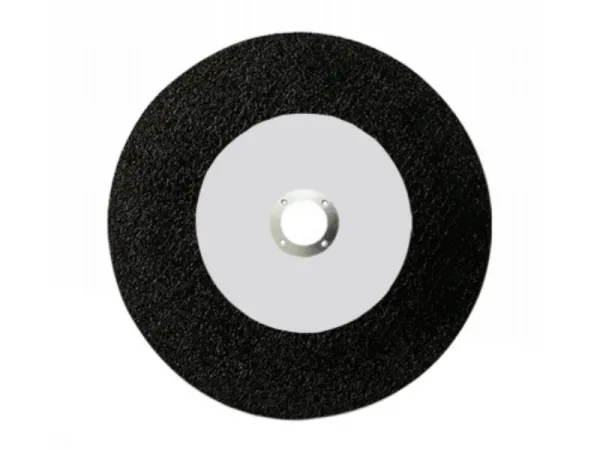
Quick Comparison: Cut-Off Wheel vs Grinding Wheel
| Item | Cut-Off Wheel | Grinding Wheel |
|---|---|---|
| Main purpose | Cutting metal, pipe, bar, sheet, rebar, and profiles | Grinding welds, beveling edges, removing burrs, and shaping metal |
| Typical thickness | Thin profile for fast cuts and low material loss | Thicker body for strength under grinding pressure |
| Working direction | Use the edge for straight cutting | Use the face or edge area for grinding |
| Side pressure | Avoid side grinding or twisting | Designed to handle grinding pressure |
| Best result | Clean separation of material | Fast stock removal and edge preparation |
What Is a Cut-Off Wheel?
A cut-off wheel, also called a cutting disc or cutting wheel, is a thin abrasive wheel used to separate material. It is commonly used for cutting steel pipe, threaded rod, sheet metal, stainless steel profiles, rebar, and other metal workpieces.
The thin design helps the wheel enter the material quickly and reduces the width of the cut. This improves cutting speed and reduces material waste. However, the same thin structure means the wheel should not be used for side grinding, bending, or heavy sideways pressure.
Choose a cut-off wheel when the job is to cut through the workpiece rather than remove surface material.
What Is a Grinding Wheel?
A grinding wheel is a thicker bonded abrasive wheel used for material removal. It is designed for weld grinding, burr removal, beveling, edge shaping, rust removal, and surface preparation.
Compared with a cut-off wheel, a grinding wheel has a stronger body to support grinding pressure. It is not the best choice when the user needs a narrow, clean cut, but it is the correct choice when the goal is to remove metal or shape an edge.
Choose a grinding wheel when the job requires stock removal instead of separation.
Can You Grind With a Cut-Off Wheel?
No. A cut-off wheel should not be used for grinding. Thin cutting wheels are not designed to take heavy side load. Using a cut-off wheel sideways can cause poor control, fast wear, wheel damage, or breakage.
For packaging and online product pages, it is important not to describe thin cutting wheels as suitable for side grinding. Clear labels help reduce misuse and improve user safety.
Can You Cut With a Grinding Wheel?
A grinding wheel may remove material at an edge, but it is not the right tool for fast, clean cutting. Because grinding wheels are thicker, they usually cut slower, create more heat, and remove more material than a thin cutting disc.
If the main task is cutting pipe, bar, sheet, or profiles, use a cut-off wheel. If the task is cleaning, shaping, or smoothing, use a grinding wheel.
Where Do Flap Discs Fit In?
Flap discs sit between rough grinding and finishing. They can remove material, blend welds, smooth scratches, and improve the surface finish in one step. Many users cut first, grind second, and then finish with a flap disc.
For a complete abrasive range, distributors often sell cut-off wheels, grinding wheels, and flap discs together. For grit selection, see our flap disc grit chart.
Selection Tips for Buyers
Check the application: cutting, grinding, deburring, beveling, or finishing.
Match the material: carbon steel, stainless steel, aluminum, or general metal.
Confirm the size: diameter, bore, and thickness must match the grinder and task.
Check the maximum RPM: the wheel rating must be suitable for the machine.
Use clear labels: separate cutting, grinding, and finishing discs in packaging and catalogs.
Safety and Labeling Points
Do not use a cut-off wheel for side grinding.
Do not twist or bend the wheel during cutting.
Use the correct guard, flange, and personal protective equipment.
Make sure the wheel speed rating is not lower than the grinder speed.
Show icons for cutting, grinding, stainless steel, metal, and maximum RPM where possible.
FAQ
What is the main difference between a cut-off wheel and a grinding wheel?
A cut-off wheel is thin and used for cutting through material. A grinding wheel is thicker and used for removing material from surfaces, welds, and edges.
Which disc should I use for cutting metal?
Use a cut-off wheel for cutting metal pipe, bar, sheet, rebar, and profiles. Choose the right size, thickness, bore, and RPM rating for the grinder.
Which disc should I use for weld grinding?
Use a grinding wheel for heavy weld removal. After rough grinding, a flap disc can help blend and finish the surface.
Are stainless steel cutting wheels different?
Many stainless steel cutting wheels are designed with formulas suitable for stainless applications. If your product range includes stainless steel discs, label them clearly for easier customer selection.
Conclusion
Use cut-off wheels for cutting and grinding wheels for grinding. A cut-off wheel gives fast, narrow cuts, while a grinding wheel provides the strength needed for material removal. Choosing the right abrasive wheel improves efficiency, finish quality, and operator safety.
PTATOOLS supplies abrasive products for wholesale and tool brand programs, including cut-off wheels, grinding wheels, flap discs, sanding discs, and related angle grinder accessories.