118 vs 135 Drill Bits: Which Point Angle Should You Choose?
October. 09, 2026
Choosing the right drill bit point angle helps improve hole accuracy, cutting stability, tool life, and drilling efficiency. Two of the most common point angles for twist drill bits are 118 degrees and 135 degrees.
Both point angles are widely used, but they are designed for different drilling conditions. A 118 degree drill bit is often used for general-purpose drilling, while a 135 degree drill bit is commonly preferred for harder metals and more demanding applications.
This guide explains the difference between 118 and 135 drill bits, when to use each point angle, and how to choose the right twist drill bit for metalworking, fabrication, maintenance, and industrial applications.
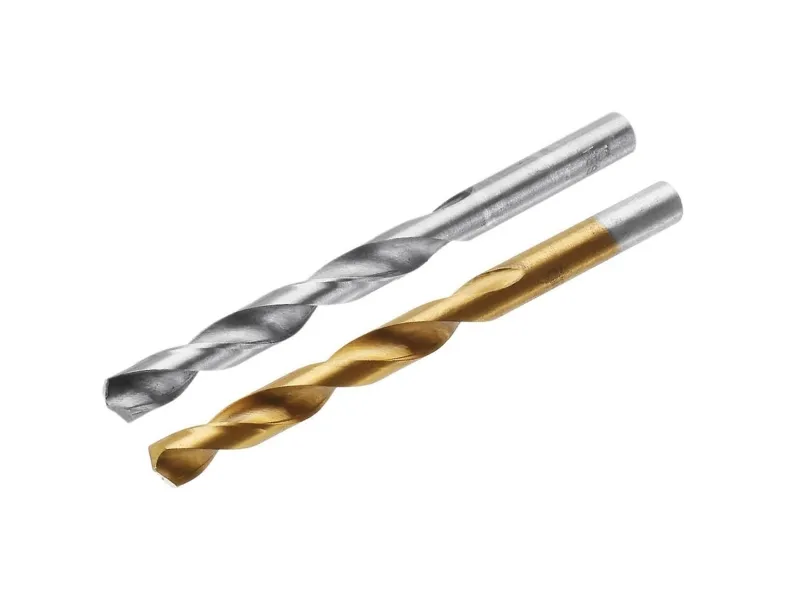
What Is Drill Bit Point Angle?
Drill bit point angle refers to the angle formed at the tip of a twist drill bit. This angle affects how the drill bit enters the material, how much pressure is required, how stable the cutting action is, and how accurately the hole starts.
A smaller point angle has a sharper tip. A larger point angle has a flatter tip. These differences can change drilling performance depending on the workpiece material and machine setup.
118 Degree Drill Bit: General-Purpose Drilling
A 118 degree drill bit has a relatively sharp point. It is a common choice for general-purpose drilling, especially in softer materials and everyday workshop applications.
Choose a 118 degree drill bit when drilling:
• Mild steel in light-duty applications
• Aluminum and non-ferrous metals
• Wood, plastic, and soft materials
• General repair and maintenance work
Because the tip is sharper, a 118 degree drill bit can start cutting with less pressure in softer materials. However, when used on harder metals, it may wear faster or wander more easily if the setup is not rigid.
135 Degree Drill Bit: Better for Metal and Hard Materials
A 135 degree drill bit has a flatter point. Many 135 degree drill bits also use a split point design, which helps reduce walking and improves starting accuracy.
Choose a 135 degree drill bit when drilling:
• Stainless steel
• Hardened or tougher steels
• Thicker metal plates
• Applications requiring better hole accuracy
For metal drilling, a 135 degree point can improve stability and reduce the chance of the drill bit wandering across the surface. It is often used on HSS twist drill bits, cobalt drill bits, and industrial drill bit sets.
118 vs 135 Drill Bit Comparison Table
| Feature | 118 Degree Drill Bit | 135 Degree Drill Bit |
|---|---|---|
| Point shape | Sharper point | Flatter point |
| Best for | Soft materials and general drilling | Harder metals and accurate starting |
| Starting pressure | Lower pressure in soft materials | May need more pressure, but starts more accurately with split point |
| Walking tendency | More likely to walk on hard metal | Less walking, especially with split point |
| Common use | General workshop drilling | Metal fabrication and industrial drilling |
Which Drill Bit Angle Is Better for Steel?
For steel drilling, a 135 degree drill bit is usually the better choice, especially when drilling stainless steel, alloy steel, or thicker workpieces. The flatter point and split point design help reduce walking and improve hole accuracy.
For light-duty drilling in mild steel, a 118 degree drill bit can still work well if the bit is sharp and the drilling setup is stable.
If you are drilling metal regularly, you should also choose the correct speed and feed. For more detail, see our twist drill bit speed and feed guide for metal.
How Point Angle Affects Hole Accuracy
Point angle can affect how accurately the hole starts. If the drill bit walks before cutting, the finished hole may be off-center or oversized.
A 135 degree split point drill bit helps reduce walking, especially on curved, hard, or smooth metal surfaces. This can help improve hole position and reduce the risk of oversized holes.
If hole size accuracy is a problem, also check drill bit wear, chuck runout, workpiece clamping, and drilling parameters. You can read our guide on why drill holes become oversized.
Common Mistakes When Choosing Drill Bit Point Angle
• Using a general-purpose 118 degree drill bit for hard stainless steel without proper speed and lubrication
• Expecting point angle alone to solve poor clamping or machine runout
• Using a worn drill bit instead of replacing it with a sharp, properly ground bit
• Ignoring heat buildup when drilling metal
If the drill bit becomes overheated or turns blue, the drilling speed, feed pressure, lubrication, or bit material may be wrong. Learn more in our article about why drill bits turn blue when drilling metal.
Drill Bit Point Angle FAQ
Is a 118 or 135 degree drill bit better?
It depends on the material. A 118 degree drill bit is good for general-purpose drilling and softer materials. A 135 degree drill bit is usually better for metal and harder materials.
What drill bit angle is best for stainless steel?
For stainless steel, a 135 degree split point drill bit is commonly recommended because it improves starting accuracy and reduces walking.
Do I need a center punch with a 135 degree drill bit?
A 135 degree split point can reduce walking, but a center punch may still help when high accuracy is required or when drilling smooth metal surfaces.
Can point angle affect drill bit life?
Yes. Using the wrong point angle for the material can increase heat, wear, and cutting instability, reducing drill bit life.
Choose the Right Twist Drill Bits for Your Application
The best drill bit point angle depends on the workpiece material, hole accuracy requirement, machine stability, and drilling conditions. For general-purpose drilling, 118 degrees is common. For metal drilling and better starting accuracy, 135 degrees is often the better choice.
PTATOOLS supplies HSS straight shank twist drill bits, HSS taper shank twist drill bits, cobalt drill bits, and drill bit sets for industrial users, distributors, importers, and tool brands.
Looking for reliable twist drill bits for your business? Contact PTATOOLS for wholesale supply, OEM packaging, and private-label customization.