Why Are My Drill Holes Oversized?
September. 11, 2026
When a drilled hole is larger than the specified drill bit diameter, it can cause loose fits, inaccurate assembly, and poor product quality. This problem is common in metalworking, machining, and general drilling applications.
So, why are your drill holes oversized? In most cases, the cause is related to drill bit condition, machine stability, workpiece movement, or incorrect drilling parameters.
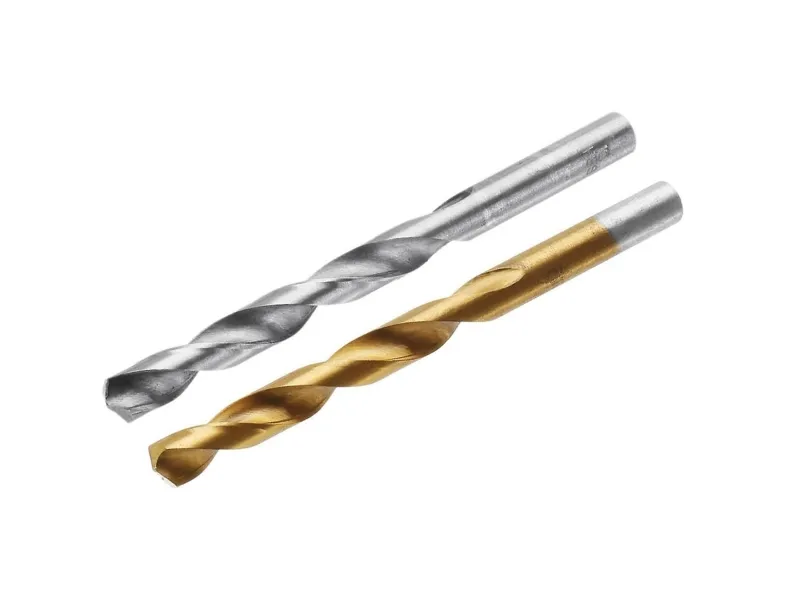
1. The Drill Bit Is Worn or Damaged
A worn drill bit may no longer cut evenly. Instead of producing a clean, accurately sized hole, the cutting edges can deflect or scrape against the workpiece, resulting in an oversized or irregular hole.
Check the drill bit for:
• Uneven or damaged cutting edges
• Excessive wear on the margins
• Chipped corners
• A bent or damaged shank
For precision drilling, use high-quality drill bits manufactured with consistent geometry and proper grinding. PTATOOLS supplies HSS twist drill bits manufactured through precision grinding processes for stable drilling performance.
2. The Drill Bit Is Not Running True
If the drill bit is not perfectly centered in the chuck, it can rotate with radial runout. Even a small amount of runout can make the finished hole larger than the nominal drill diameter.
Common causes include:
• A dirty or damaged drill chuck
• Incorrect bit installation
• A worn machine spindle
• Poor alignment between the drill and workpiece
Make sure the drill bit is properly seated and the chuck is securely tightened before drilling.
3. The Workpiece Is Moving
Workpiece movement can cause the drill to wander during cutting. This is particularly common when drilling thin sheet metal or small components without proper clamping.
Always secure the workpiece firmly. For thin materials, supporting the material from underneath can also help reduce vibration and deformation.
4. Excessive Drilling Speed or Feed
Incorrect cutting parameters can increase vibration, heat, and tool deflection.
If the RPM is too high, the drill may generate excessive heat and lose cutting stability. Overheating can also cause discoloration; see why drill bits turn blue when drilling metal. If the feed pressure is too high, the drill can deflect, especially when working with harder metals.
Use drilling parameters appropriate for the workpiece and drill diameter. For more detail, see our twist drill bit speed and feed guide. Consider the:
• Workpiece material
• Drill bit material
• Drill diameter
• Machine type
For example, M35 cobalt drill bits can be a better choice for demanding applications such as stainless steel because of their improved heat resistance.
5. The Drill Bit Is Too Flexible
Long or small-diameter drill bits are more likely to deflect under cutting forces. This can cause the hole to become oversized or slightly angled.
For deep or precision holes, consider using a more rigid setup and an appropriate drill geometry. A taper shank twist drill bit can provide improved stability for heavy-duty machine drilling applications. PTATOOLS offers HSS taper shank drill bits in M2 and M35 materials with fully ground construction.
6. Vibration and Machine Runout
Machine vibration is another common reason for oversized holes.
If the machine, chuck, workpiece, or fixture is unstable, the drill can move laterally while rotating. This produces holes that may be larger and less round than expected.
To reduce vibration:
• Secure the workpiece firmly
• Check chuck and spindle condition
• Use the correct drilling speed
• Avoid excessive feed pressure
• Choose a rigid drill setup
Oversized Drill Hole Troubleshooting Chart
| Possible Cause | What to Check | How to Fix It |
|---|---|---|
| Worn drill bit | Cutting edges, margin wear, chipped corners | Replace the bit or use a fully ground drill bit with stable geometry |
| Drill runout | Chuck, spindle, bit seating, alignment | Clean the chuck, reseat the bit, and check spindle condition |
| Workpiece movement | Clamping, vibration, thin material support | Clamp the workpiece firmly and support thin sheet material |
| Wrong speed or feed | RPM, feed pressure, heat, chip evacuation | Use suitable speed and feed for the material and drill diameter |
| Bit deflection | Long bit, small diameter, deep holes | Use a shorter or more rigid setup where possible |
How to Prevent Oversized Drill Holes
For more accurate drilling results, follow these basic steps:
1. Use a sharp, high-quality drill bit.
2. Check the chuck and spindle for runout.
3. Secure the workpiece firmly.
4. Use the correct RPM and feed rate.
5. Select the right drill bit material for the workpiece.
6. Reduce vibration and avoid excessive cutting pressure.
7. Measure the finished hole when dimensional accuracy is important.
For general metal drilling, HSS twist drill bits are widely used because they offer a practical combination of cutting performance, durability, and cost. PTATOOLS provides HSS M2 and M35 twist drill bits, including straight shank, taper shank, double-end, and drill bit sets for industrial and commercial applications.
Oversized Drill Hole FAQ
Can a worn drill bit make a hole larger?
Yes. A worn or chipped drill bit can cut unevenly, scrape the hole wall, and produce an oversized or irregular hole.
Can drill chuck runout cause oversized holes?
Yes. If the bit is not running true, radial movement can enlarge the hole beyond the drill bit diameter.
How do I make drilled holes more accurate?
Use a sharp drill bit, reduce runout, clamp the workpiece securely, choose the correct speed and feed, and inspect the finished hole when tolerance matters.
Choose the Right Drill Bit for Accurate Holes
An oversized hole is not always caused by the drill bit itself. If breakage is also happening, read why twist drill bits break during metal drilling. Machine runout, workpiece movement, vibration, tool wear, and incorrect cutting parameters can all affect hole accuracy.
If you need consistent drilling performance, choosing a properly manufactured drill bit and matching it to the application is essential.
PTATOOLS is a professional drill bit manufacturer and wholesale supplier, offering HSS, cobalt, carbide, and other drilling solutions for distributors, importers, tool brands, and industrial users. OEM and private-label customization is also available.
Looking for reliable drill bits for your business? Contact PTATOOLS for wholesale, OEM, and customized drill bit solutions.