Annular Cutter vs Hole Saw for Metal: When to Use Each
November. 17, 2026
A 32mm hole in a sheet-steel enclosure and a 32mm hole in a thick steel base plate call for different setups. A metal-rated bi-metal hole saw is often practical for the enclosure. A magnetic drill with an annular cutter is often the better fit for repeated holes in the base plate, provided the drill can mount securely and the cutter can reach through the material.
Both tools cut around the edge of the hole and leave a center slug. The choice comes down to the metal and its thickness, the tool you can mount, and the number of holes you need.
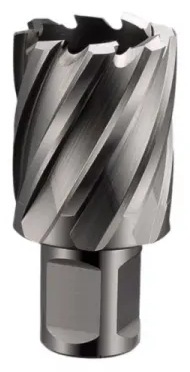
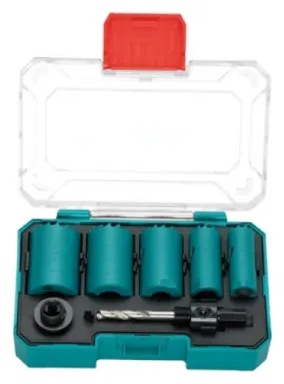
Annular Cutters and Hole Saws at a Glance
| What to check | Annular cutter | Bi-metal hole saw |
|---|---|---|
| Typical tool | Magnetic drill with a compatible cutter holder. | Drill with a compatible hole saw arbor. |
| What centers the tool | A pilot pin locates the cut and typically helps eject the slug. | A pilot drill makes a starter hole to guide the saw cup. |
| Typical metalworking job | Repeated through-holes in suitable steel plate or structural sections. | Access or installation holes in sheet metal, enclosures, or suitable thin-wall sections. |
| Fit checks | Hole diameter, maximum cutting depth, shank and holder fit, and magnetic base contact. | Hole diameter, saw depth, metal compatibility, arbor fit, and workpiece clearance. |

Choose the matching pin or pilot drill for your setup. Check the cutter or saw manufacturer’s instructions for compatible holders and operating conditions.
When a Bi-Metal Hole Saw Makes Sense
Consider a metal-rated bi-metal hole saw for a cable entry in a sheet-metal enclosure or an access hole in a thin-wall panel. Match the saw diameter to the fitting or drawing, confirm that the saw and arbor fit your drill, and secure the workpiece. Before cutting, check behind the panel for clearance for the pilot drill and saw teeth.
For example, the PTATOOLS P16001 kit includes saw cups in 19, 22, 29, 32, and 35mm diameters. The diameter tells you the size of the opening. Check the saw’s rated depth and suitability for your metal separately. Browse PTATOOLS hole saws by type.
When an Annular Cutter Makes Sense
Consider an annular cutter for a row of through-holes in a steel base plate when you have a compatible magnetic drill and a suitable mounting surface. Start with the finished hole diameter and plate thickness. Then check that the cutter can pass through the plate and that its shank fits the holder. The drill’s magnetic base must be suitable for the material, surface, and thickness where it will sit.
Two PTATOOLS HSS cutters illustrate why diameter and depth are separate specifications. Both cover the same listed diameter range, with different maximum cutting depths. PTATOOLS annular cutter specifications.
| HSS model | Listed cutting diameters | Max. cutting depth | Shank diameter |
|---|---|---|---|
| P19102 | 12–60mm | 30mm | 19.05mm (3/4 in.) |
| P19103 | 12–60mm | 50mm | 19.05mm (3/4 in.) |
For a 32mm through-hole in a 40mm steel plate, P19103 is the candidate on depth. Confirm the particular cutter diameter, holder style, pilot pin, and drill setup before ordering.
When Either Tool Fits on Paper
Choose the setup you can mount securely and repeat reliably. For a few holes in a thin enclosure, a drill and hole saw may be straightforward to set up. For a series of holes in a steel plate with a suitable mounting surface, a magnetic drill and annular cutter may be more practical. Use the rated depth of the specific cutter or saw to make the final call.
If you’re sourcing either tool, send the workpiece material and thickness, finished hole diameter, drill model or holder type, and order quantity. For sheet-metal work that calls for smaller or multiple hole sizes, see our related guide. Step drill bits vs hole saws.
Related Categories
- Annular cutters and rail drill bits – HSS and carbide cutters from 12mm to 60mm, plus rail drill bits.
- Hole saws – bi-metal, carbide-coated and vacuum brazed saws for metal, wood and masonry.
- Step drill bits – single-bit solutions for multiple hole sizes in sheet metal.
- Diamond core bits – wet and dry coring for concrete, brick and stone.
Further Reading
- Step drill bits vs hole saws – choosing between them for thin sheet and multiple diameters.
- What are step drill bits used for – the jobs where a stepped bit replaces a whole set.
- Twist drill bit speed and feed guide for metal – the same rpm logic applies to pilot drills.
- Why are my drill holes oversized – runout, sharpening and setup causes worth ruling out.
- HSS vs carbide drill bits – when the harder grade is worth the extra cost per hole.